
Free Cybersecurity Classes Help Johnston County Residents Stay Safer Online |
Three October sessions at the Smithfield library cover identity, personal data and financial safety |
Passwords, personal information, banking and shopping are now part of everyday life online, and the Public Library of Johnston County & Smithfield is offering free help for residents who want to protect themselves.
The library will hold Cybersecurity Basics classes on October 7, October 14 and October 28.
Each session covers the same material, so participants only need to choose the date that works best for them. The program focuses on practical internet safety, including ways to protect your identity, personal data and financial assets while online.
Why cybersecurity matters at home
Cybersecurity can sound like something meant for large companies or computer experts, but most people deal with it every day. Email accounts, online banking, social media, shopping sites and even medical portals all contain information worth protecting.
Scammers often depend less on sophisticated technology than on getting someone to click a link, share a password, reveal a verification code or respond to a message that appears urgent.
Learning a few basic warning signs can make a real difference before a suspicious email, text or website becomes an expensive problem.
The October classes are designed to give adults a clearer understanding of those basics without requiring advanced computer knowledge.
Simple habits can improve online safety
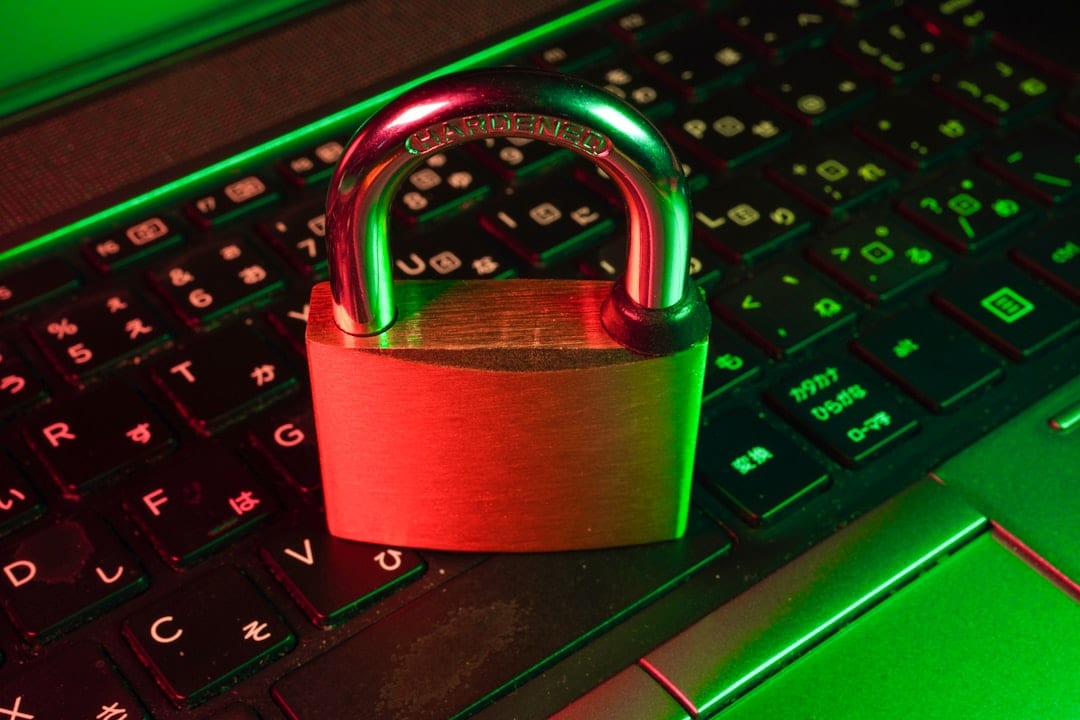
Good online security often starts with everyday decisions: using stronger passwords, keeping account information private, being cautious with unexpected links and slowing down when a message pressures you to act immediately. |
 Photo by Sasun Bughdaryan on Unsplash |
Another important habit is checking who actually sent a message before responding. A familiar company name or logo does not necessarily mean an email or text came from that company.
Residents who are unsure about an account message can often protect themselves by going directly to the organization’s official website or calling a known phone number rather than using a link or number supplied in an unexpected message.
Where and how to attend
All three Cybersecurity Basics sessions are offered through the Public Library of Johnston County & Smithfield at 305 E. Market Street in Smithfield.
Pre-registration is required. Residents can register or ask questions by contacting Stephanie at 984-985-2665 extension 8.
See the library’s technology classes page for the Cybersecurity Basics dates and registration information.
Another free fraud-prevention program
The library is also hosting a separate free adult seminar on October 21 called How Not to Become a Victim of Fraud.
Detective Godwin with the Johnston County Sheriff’s Office will discuss how scammers operate and practical ways residents can protect themselves. That seminar runs from 1 to 2 p.m. in the library’s second-floor Multipurpose Meeting Room and does not require registration.
Taken together, the October programs offer Johnston County residents several opportunities to become more confident about online safety and fraud prevention.
You do not have to be a computer expert to be safer online. Sometimes the most valuable protection is simply knowing when to stop, look closely and ask questions before clicking. |
8 Comments
Join the conversation
Good subject for a free class.
Glad to see the library offering something practical like this. You don't have to be bad with computers to get fooled by a convincing message.
The reminder about going directly to the real website instead of clicking a link in an unexpected message is a good one. I've started doing that with anything involving my bank or credit cards, because some of those messages look very convincing.
Is the October 21 fraud program open to anyone without registering? I may tell a couple of neighbors about it.
Very useful.
I know several people who have gotten calls or messages that looked legitimate until they started asking for personal information. Classes like this can be especially helpful for people who didn't grow up using computers every day. Nice to have three dates to choose from too.
This is needed. The scam texts and emails are getting harder to spot.
Signing up for this.