456 Acres of Johnston County Farmland Move Closer to Permanent Protection |
Nearly $2.72 million in state grants will support four conservation easement projects near Kenly and Selma. |
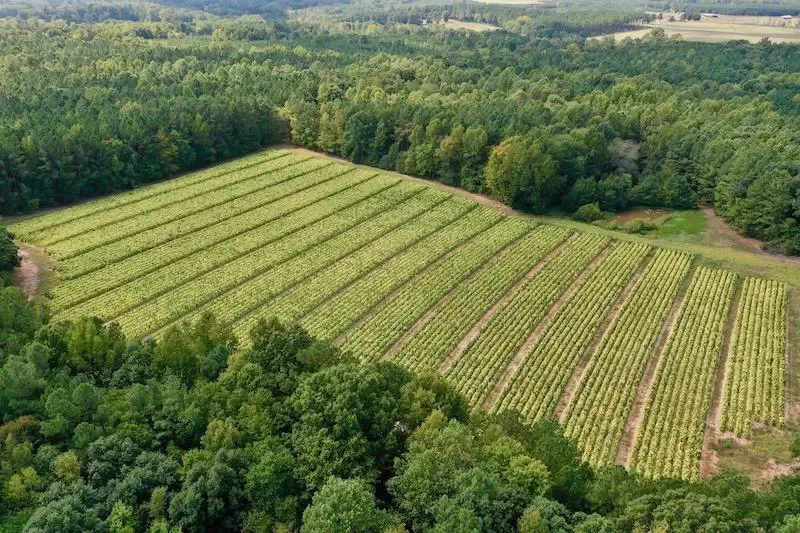
Johnston County is taking another step toward keeping its agricultural landscape intact. Four farmland preservation projects covering 456.47 acres have been awarded a combined $2,717,077.50 in state grants, according to an October 14 report from JoCo Report.
The funding comes through North Carolina’s Agricultural Development and Farmland Preservation Trust Fund and supports conservation easements coordinated by the Johnston Soil and Water Conservation District.
For residents who value the county’s farms, fields and rural character, the awards represent an opportunity to protect working land as Johnston County continues to grow.
Four properties are included
The newly funded projects cover four tracts: 69.47 acres and 125.19 acres on Old Beulah Road, 99.95 acres on Crocker’s Nub Road, and 161.86 acres on Starline Road.
Together, those parcels account for the 456.47 acres identified in the award announcement. The projects are associated with areas reported under Kenly and Selma coverage, but the public summary does not identify the owners or specify when each easement will be finalized.
That distinction matters. A grant award is a major step toward preservation, but it should not be confused with a completed, recorded easement. The projects are slated for protection as the necessary agreements move forward.
What a conservation easement means
An agricultural conservation easement is a voluntary legal agreement that limits certain types of future development on a property while allowing it to continue supporting farming or forestry.
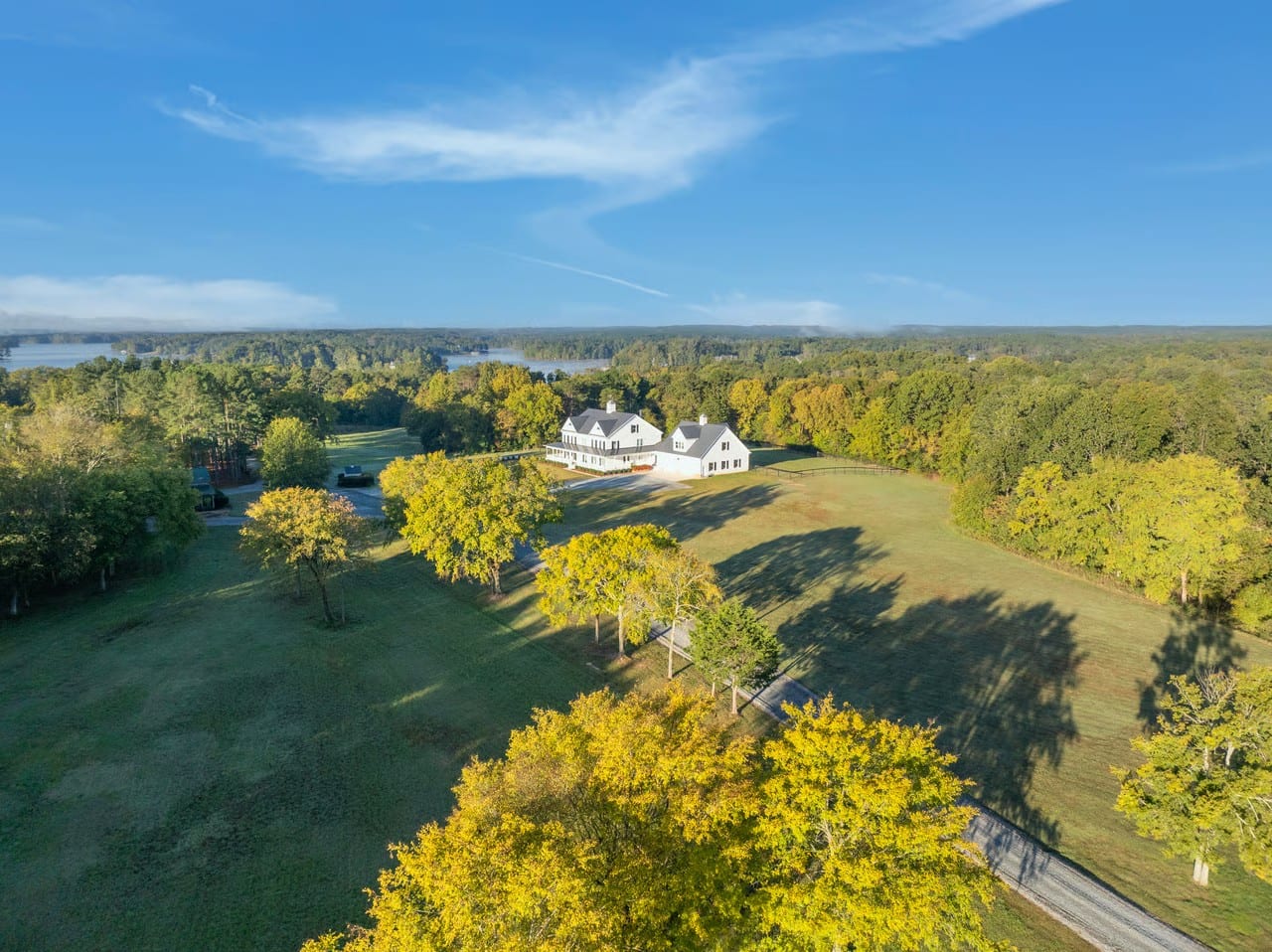
The land generally remains privately owned. Rather than turning a farm into a public park, an easement is designed to keep the land available for agricultural use over the long term.
Johnston County’s Soil and Water Conservation District explains that easements can restrict subdivision and residential development, helping preserve productive farmland for future generations.
That can be especially important for farm families who want to continue working their land while planning for the years ahead.
|
 |
Why preservation matters locally
Johnston County has experienced substantial residential and commercial growth, creating new opportunities for communities while also increasing competition for undeveloped land.
Once a productive farm is converted to another use, returning that land to agriculture can be difficult or impossible. Preserving farmland helps maintain space for crops, livestock, and other agricultural operations.
It also helps protect a familiar part of Johnston County’s identity: open fields, farm roads, working barns, and the families whose livelihoods depend on the land.
Conservation easements do not stop growth countywide. Instead, they let participating landowners make long-term decisions about specific properties.
Part of a much greater statewide effort
The Johnston County awards are part of a statewide grant round totaling $51.2 million for farmland preservation projects in 44 counties.
North Carolina’s Department of Agriculture and Consumer Services announced the awards in early October, describing the program as an investment in working farms, forests and the agricultural economy.
The state’s 2026–27 budget provided a particularly large funding commitment to farmland preservation, but officials have cautioned that similar funding levels may not be available every year.
That makes the current grant round especially meaningful for local communities seeking to protect agricultural land.
Johnston County has been building momentum
These four projects follow other preservation efforts in the county. In July 2026, a Johnston County farm on Swift Creek Road became the 100th conservation easement completed through a partnership between state agriculture officials and the USDA Natural Resources Conservation Service.
Local conservation work also includes partnerships with organizations such as Triangle Land Conservancy, which has supported protection of farms, forests and natural areas across Johnston County.
Although the projects differ in ownership, funding, an purpose, they share a long-term objective: keeping valuable land from being lost to incompatible development.
How local landowners can learn more
Farmers and property owners interested in farmland preservation can contact the Johnston Soil and Water Conservation District to discuss available programs and whether a conservation easement could be appropriate for their property.
The district provides information on preserving family farms and explains that landowners typically work through an eligible county government or conservation organization to seek state funding.
Readers can find additional details through the county’s farmland preservation information page and the North Carolina Department of Agriculture’s farmland preservation program.
A long-term investment in Johnston County
For Kenly, Selma and the wider county, the 456.47 acres represent more than a figure on a grant announcement. They are working landscapes that could remain available for agriculture long after the current funding cycle ends.
Preserving farms does not mean freezing communities in time. It means making room for agriculture to remain part of Johnston County’s future as it continues to grow.
The next milestone will be completion of the required conservation agreements, turning these newly funded projects into lasting protections for the land.
|
0 Comments
Join the conversation
Be the first to comment
Share your thoughts above.